
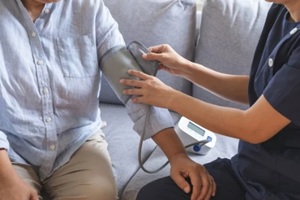
 High blood pressure rarely presents noticeable symptoms from the outset. You can go years with readings that are well above normal and not notice anything at all, which is why many adults do not learn about it until after damage has already begun. Understanding hypertension risk factors gives you something concrete to act upon because nearly everything that drives your blood pressure up also belongs on the list of heart disease risk factors.
When blood pushes against your arterial walls for too long, it causes tiny tears in the vessel lining. Cholesterol and fat then collect in those damaged spots and harden into plaque, which narrows the passage your blood travels through. Over the years, that process leads to stroke, heart attack, vision loss, and kidney failure.
1. High blood pressure itself
Hypertension is one of the strongest heart disease risk factors on its own. Its extra force wears on your heart muscle and the vessels that feed your kidneys and brain. Since it produces no warning signs, testing your blood pressure with a cuff is the only way to know where you stand.
2. High cholesterol
When your body takes in more cholesterol than it can use, the surplus settles into artery walls and shrinks the opening. More than half of people with high blood pressure also have high cholesterol. A blood test called a lipid panel can give you an accurate understanding of your total cholesterol, HDL, LDL, and triglycerides.
3. Diabetes
Diabetes leaves too much sugar circulating in your bloodstream, and that sugar damages your blood vessels over time. Adults with diabetes have a higher risk of dying from heart disease than adults without it. Most people with diabetes will eventually develop high blood pressure as well.
4. Smoking and tobacco use
Nicotine increases your blood pressure, and cigarette smoke contains carbon monoxide that reduces the oxygen your blood can carry. Smoking damages the walls of your arteries directly, too. Breathing someone else’s smoke raises heart disease risk even if you have never smoked a day in your life.
5. Excess weight
 Carrying extra body fat forces your heart and circulatory system to work harder than they should. Obesity also pushes “bad” LDL cholesterol and triglycerides upward while pulling protective HDL down. Losing even a modest amount of weight often improves blood pressure readings within weeks.
6. Physical inactivity
Sitting for most of the day raises blood pressure and makes obesity, diabetes, high cholesterol, and other risk factors more likely at the same time. Regular movement strengthens your heart, helps your vessels stay flexible, and reduces your risk of heart disease on its own.
7. A diet high in sodium and saturated fat
Too much sodium raises blood pressure, while saturated fat, trans fat, and added sugar contribute to artery plaque. Meals built around fresh vegetables, fruit, fiber, and potassium-rich foods move your numbers in the other direction.
8. Drinking too much alcohol
Regular heavy drinking raises blood pressure and triglycerides, along with your risk of heart failure, stroke, and irregular heartbeat. CDC guidance sets the limit at no more than one drink per day for women and two for men.
9. Family history and genetics
Having a parent, sibling, aunt, uncle, or cousin who has heart disease or high blood pressure makes you more likely to develop those conditions yourself. Relatives who developed heart disease at age 50 or younger can signal familial hypercholesterolemia, an inherited disorder that causes high cholesterol. Research your family health history and bring your notes to your next appointment.
10. Age, sex, and race
Blood vessels gradually lose their elastic quality as you get older, so your blood pressure tends to climb with each decade. Men are more likely than women to have high blood pressure until age 64, but women take the lead at 65 and older. Black, Hispanic, and Asian adults also have higher rates. Sleep apnea and chronic kidney disease belong in this group as well, since both are closely tied to hypertension.
Everyday habits that support cardiovascular disease prevention
You cannot change your age or your genes, but the majority of what appears on this list responds to what you do between doctor visits. CDC recommendations for high blood pressure prevention include:
- Eating foods that are rich in potassium, fiber, and protein while cutting back on sodium and saturated fat. The DASH eating plan has a proven record of reducing blood pressure.
- Getting at least 2 hours and 30 minutes of moderate activity per week, which works out to 30 minutes a day, 5 days a week.
- Keeping alcohol consumption within the recommended daily limits.
- Quitting smoking, with support from your provider on methods that actually work.
- Getting enough sleep, since regular short sleep is linked to higher risk of heart disease, hypertension, and stroke.
- Managing long-term stress, anxiety, and depression, which can raise both your heart rate and your blood pressure.
Catching a rising number early gives you room to make changes before medication becomes necessary, which is why routine blood pressure checks matter so much for a healthy heart lifestyle.
Take charge of your heart health with Imperial Center Family Medicine
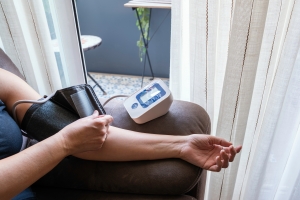 Knowing your risk factors is most useful when someone tracks them with you over time. Imperial Center Family Medicine has cared for Triangle area families since 1999 from its privately owned practice off Page Road in Research Triangle Park. Our experienced providers handle chronic disease management for conditions such as hypertension and diabetes, while our on-site Quest Diagnostics lab means your cholesterol panel and A1C results come back quickly. We also hold same-day appointments for acute concerns.
Call 919-873-4437 or reach out online to schedule your blood pressure check and build a prevention plan around your health history.