
 Persistent dizziness when you stand up, unexplained fatigue, or brief moments when your vision dims are tempting to dismiss. Yet, when your systolic blood pressure, the top number in your reading, stays chronically low or drops sharply with position changes, these symptoms have a cause that’s worth addressing.
The good news is that for many people, managing low systolic blood pressure starts with lifestyle adjustments, not a long list of medications.
Essential Takeaways:
|
Two Conditions, One Overlapping Approach
Two distinct patterns can cause the symptoms described above. Chronic absolute hypotension means your resting blood pressure consistently falls below 90/60 mm Hg. Orthostatic hypotension is defined as a drop of at least 20 mm Hg in systolic pressure or at least 10 mm Hg in diastolic pressure within three minutes of standing, and it can occur even in people with normal or elevated baseline readings.
Both conditions share many triggers, and the most effective strategies for managing chronic hypotension address both patterns at once.
The AAFP estimates orthostatic hypotension affects around 5% of middle-aged adults, rising to approximately 20% of older adults. Understanding which pattern applies to you helps your provider personalize treatment, which is why consistent blood pressure monitoring is a practical starting point.
Hydration and Sodium: The Foundation of Non-Medication Management
 Blood volume directly influences how well your blood pressure holds up, both at rest and when you change positions. Dehydration reduces it quickly. Aiming for five to eight 8-ounce glasses of fluid per day provides a reasonable baseline, though your provider may adjust that target based on your specific situation.
Sodium supports fluid retention, which in turn supports blood volume. Slightly increasing sodium in your diet through salty foods, broths, or low-dose salt tablets can produce a measurable lift in readings for some people. That said, this approach requires caution if you have heart failure, kidney disease, or a history of high blood pressure. Always check with your provider before changing your sodium intake.
How Position Changes and Meal Timing Affect Your Symptoms
Two of the most preventable triggers for low BP episodes are sudden position changes and large meals. Addressing both is important for hypotension prevention in daily life.
When you stand too quickly, blood shifts toward your legs before your cardiovascular system can compensate. Taking a few seconds to sit at the edge of the bed before standing, and pumping your ankles a few times first, helps blood flow return upward before you put your full weight on your feet.
If dizziness hits while you’re already standing, crossing your thighs and squeezing the muscles works to push blood back toward your heart.
Large meals, especially those heavy in simple carbohydrates, redirect blood toward your digestive system for an hour or two after eating. This postprandial shift can lower your blood pressure noticeably.
Smaller, more frequent meals, with less bread, pasta, and rice, reduce how pronounced this effect is. Resting briefly after eating also helps. Identifying which pattern applies to you often starts with a detailed evaluation that examines timing, triggers, and your full health history.
Compression Garments and Low-Impact Exercise
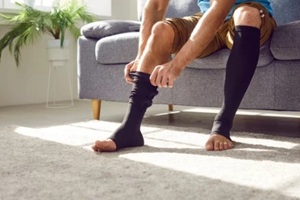 Compression stockings and abdominal binders are among the more practical natural approaches to low BP, reducing blood pooling in the lower body when you’re upright.
A study published in the Cleveland Clinic Journal of Medicine found that an abdominal binder that applied moderate pressure increased standing systolic blood pressure by roughly 11 mm Hg, a meaningful improvement for people with orthostatic hypotension. Put them on before getting out of bed and remove them when you lie down, to avoid pushing resting blood pressure too high.
Staying physically active is one of the most underrated cardiovascular health tips for people managing chronic hypotension because it supports circulation and helps maintain plasma volume over time.
Inactivity worsens both blood pooling and cardiovascular deconditioning. Low-impact options such as swimming and stationary cycling are good starting points because they let you stay active without the risk of dizziness that upright exercises can bring during symptomatic periods.
When Lifestyle Changes Aren’t Enough
If your symptoms of low blood pressure persist despite consistent lifestyle changes, medication may be warranted.
Midodrine is one of the medications that’s FDA-approved for symptomatic orthostatic hypotension, while droxidopa is approved for a specific subset of cases where the nervous system is the underlying cause. Both are preferred medications per the AAFP 2022 guidelines.
Fludrocortisone is sometimes used off-label to expand blood volume, but the same guidelines note it carries concerning long-term risks, including left ventricular changes and increased hospitalization rates. None of these medications should be started, adjusted, or stopped without provider guidance.
Several common medications can also make low blood pressure worse, including diuretics, certain antihypertensives, tricyclic antidepressants, and some Parkinson’s and erectile dysfunction drugs. If your symptoms developed after a dose change or new prescription, bring that up at your next appointment. If dizziness and fatigue are already affecting your daily routine, that conversation shouldn’t wait.
Getting the Right Support at Imperial Center Family Medicine
 Effective low BP lifestyle management works best when your provider has the full picture, including your home readings, your symptom patterns, and your current medication list.
Imperial Center Family Medicine offers same-day appointments for acute concerns and on-site Quest Diagnostics lab services to help identify contributing factors without delay. Contact us today at 919-873-4437 or online to build a management plan that actually works for your daily life.